
Floating Bathroom Vanities: Advantages & 2026 Trends for Costa del Sol Homes
Explore the benefits of floating bathroom vanities, from space-saving design to easy cleaning, and discover the top trends for 2026 for your Costa del Sol home.
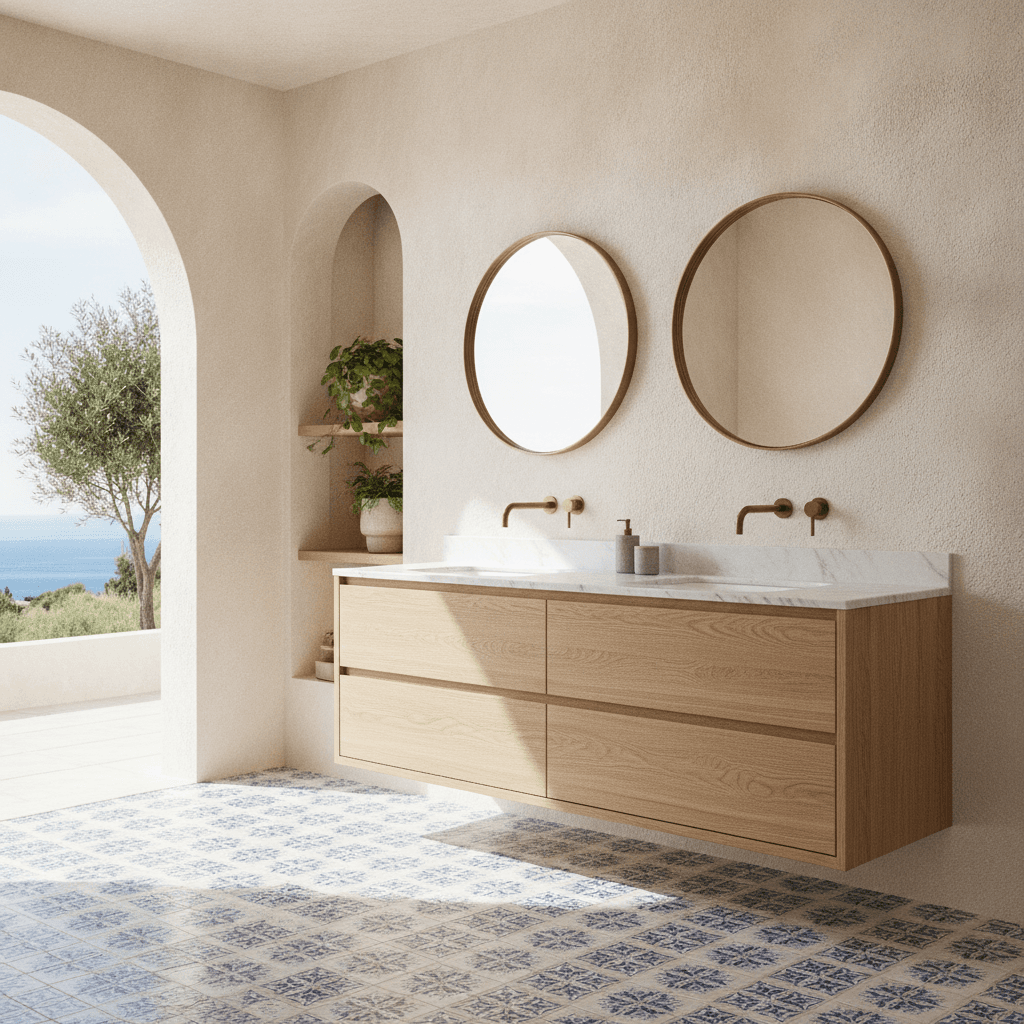
Floating bathroom vanities have become a hallmark of contemporary design, offering a sleek, minimalist look that transforms any bathroom space. Their wall-mounted structure creates an illusion of more space, making them particularly popular in both compact and expansive homes across the Costa del Sol.
These modern fixtures are not just about aesthetics; they bring practical benefits that enhance functionality and ease of maintenance, aligning perfectly with the desire for stylish yet practical living in areas like Benalmádena, Marbella, and Fuengirola.
Why Choose a Floating Bathroom Vanity? Key Advantages
Opting for a floating bathroom vanity brings a host of benefits that go beyond just a modern look. For homeowners on the Costa del Sol, these advantages translate into more comfortable, functional, and visually appealing bathrooms.
Space Optimisation
One of the most significant advantages of a floating vanity is its ability to make a bathroom feel larger and more open. By lifting the unit off the floor, it frees up visual space, creating an airy atmosphere. This is particularly beneficial in smaller bathrooms common in apartments or older properties, where every square metre counts. The clear floor space also allows for additional storage baskets or simply an uncluttered look.
Ease of Cleaning
Cleaning a bathroom can be a chore, but a floating vanity simplifies the process considerably. With no legs or base to contend with, you can easily sweep or mop directly underneath the unit. This eliminates dust traps and makes maintaining hygiene much easier, a practical consideration for busy households or holiday rental properties.
Modern Aesthetic
Floating vanities are synonymous with contemporary design. Their clean lines and minimalist profile instantly update a bathroom, giving it a sophisticated and luxurious feel. They complement a wide range of interior styles, from ultra-modern to transitional, making them a versatile choice for any renovation project. This sleek design integrates well with other modern elements like large format [porcelain tiles in Málaga] and frameless shower screens.
Accessibility and Versatility
The open space beneath a floating vanity can also improve accessibility. It allows for easier movement for individuals using wheelchairs or walkers, making the bathroom more inclusive. Furthermore, the height at which the vanity is installed can often be customised, allowing for a more ergonomic setup tailored to your specific needs.
Customisation and Material Choices
Floating vanities come in an extensive array of materials, finishes, and sizes. Whether you prefer the warmth of natural wood, the sleekness of high-gloss laminate, or the durability of stone, there is a floating vanity to match your vision. This flexibility allows for truly personalised bathroom designs, a key aspect of [complete bathroom renovations] by Dekorama.
What are the Top Floating Vanity Trends for 2026?
As we look towards 2026, bathroom design continues to evolve, with floating vanities at the forefront of innovation. Here are the key trends shaping their future, perfect for inspiring your next renovation project on the Costa del Sol.
Sustainable Materials and Eco-Conscious Design
The demand for environmentally friendly options is growing, and bathroom vanities are no exception. Expect to see more floating vanities crafted from reclaimed wood, recycled composites, and materials with low VOC (volatile organic compound) finishes. Brands are focusing on sustainable sourcing and manufacturing processes, appealing to eco-aware homeowners and property investors.
Integrated Smart Technology
Technology is seamlessly integrating into every aspect of our homes, and bathrooms are no different. Future floating vanities will feature integrated LED lighting with motion sensors, anti-fog mirrors, built-in charging ports for devices, and even touchless taps. These smart features enhance convenience and add a touch of luxury to the daily routine.
Minimalist Design with Maximum Functionality
The trend towards minimalism continues, but with an emphasis on hidden functionality. Vanities will feature ultra-clean lines, handle-less drawers with push-to-open mechanisms, and cleverly concealed storage solutions. The goal is to maintain a clutter-free aesthetic while providing ample, organised space for all bathroom essentials.
Natural Textures and Earthy Tones
Bringing the outdoors in remains a strong design principle. For 2026, floating vanities will embrace natural textures like fluted wood, ribbed finishes, and concrete effects. Colour palettes will lean towards warm neutrals, earthy greens, terracotta, and muted blues, creating a serene and spa-like atmosphere reminiscent of the Mediterranean landscape.
Asymmetrical and Unique Shapes
While rectangular forms will always be popular, expect to see more experimentation with asymmetrical designs and unique shapes. Curved edges, irregular configurations, and vanities that combine different depths or heights will add a distinctive artistic flair to the bathroom, becoming a focal point rather than just a functional item.
Double Vanities for Shared Spaces
For larger homes and master bathrooms, especially those catering to couples or families on the Costa del Sol, double floating vanities are gaining traction. They offer individual space and storage, enhancing comfort and efficiency during busy mornings. These designs often incorporate shared central storage or distinct individual zones.
How to Select the Right Floating Vanity for Your Bathroom
Choosing the perfect floating vanity involves balancing aesthetic preferences with practical considerations. Here is a guide to help you make an informed decision for your Costa del Sol property.
Consider Your Space
Measure your bathroom carefully. Note the width, depth, and height available, as well as the location of existing plumbing. A floating vanity should complement the room's proportions without overwhelming it. For smaller bathrooms, a compact, single-sink unit is ideal, while larger spaces can accommodate double vanities or more expansive designs.
Material Choices
The material of your vanity impacts both its look and durability. Options include solid wood for a natural feel, engineered wood with laminate or veneer for versatility and cost-effectiveness, ceramic for integrated sinks, and various stone composites for luxury. Consider the humidity of a bathroom environment and choose a material that is resistant to moisture and easy to maintain.
Storage Needs
Assess your storage requirements. Do you need multiple drawers for toiletries, open shelving for towels, or a combination? Floating vanities can be surprisingly spacious, often featuring deep drawers or clever internal organisers. Plan for enough storage to keep your countertop clear and your bathroom tidy.
Sink Type
Floating vanities can accommodate various sink types: integrated sinks (where the basin is part of the countertop), vessel sinks (sitting on top of the counter), or undermount sinks (installed beneath the counter). Each type offers a different aesthetic and cleaning experience. Integrated sinks provide a seamless look, while vessel sinks can be a design statement.
Budget
Establish a realistic budget that includes the vanity unit, taps, and professional installation. Prices vary significantly based on size, material, brand, and features. Investing in quality materials and expert installation ensures longevity and avoids future issues.
Decision Framework: Matching Vanity to Your Needs
- Small Bathroom (under 5 sqm): Opt for single-sink, compact designs (60-80cm width). Prioritise hidden storage.
- Medium Bathroom (5-10 sqm): Single or larger single-sink (80-120cm width). Consider a mix of drawers and open shelving.
- Large Bathroom (over 10 sqm): Double vanities or expansive single units (120cm+ width). Focus on luxury materials and smart features.
- Aesthetic: Match the vanity style to your overall bathroom design (e.g., minimalist for modern, wood for natural).
- Maintenance: Choose materials like ceramic or treated laminate for low upkeep; natural wood may require more care.
Installation Considerations for Floating Vanities on the Costa del Sol
Proper installation is paramount for the safety and longevity of a floating vanity. Given the specific construction types often found on the Costa del Sol, there are a few key points to consider.
Wall Type and Fixings
Floating vanities require secure attachment to a sturdy wall. In Spain, many properties feature concrete or brick walls, which are ideal for providing the necessary support. However, if your bathroom wall is plasterboard (pladur), it will require additional reinforcement or specialised fixings to ensure the vanity is safely mounted and can bear its weight, plus the weight of its contents.
Professional Installation is Crucial
Due to the need for precise measurements, secure wall fixings, and often plumbing adjustments, professional installation is highly recommended. An experienced installer will ensure the vanity is level, securely anchored, and that all plumbing connections are watertight. Dekorama's team has over 12 years of experience in [full home renovations on the Costa del Sol], guaranteeing expert fitting.
Plumbing Rerouting
Depending on your existing bathroom layout, installing a floating vanity might necessitate rerouting water supply lines and waste pipes. This is a common aspect of [complete bathroom renovations] and should be factored into your project timeline and budget. Our experts can assess your current setup and advise on any required modifications.
Local Regulations and Permits
For any significant structural or plumbing changes in your home, it is always wise to check with your local Ayuntamiento (town hall) in areas like Benalmádena, Marbella, or Fuengirola regarding necessary permits. While minor cosmetic changes typically do not require permits, extensive plumbing work might. Your renovation company can help guide you through this process.
Integrating Your Floating Vanity into a Complete Bathroom Renovation
A floating vanity is often a centrepiece in a modern bathroom, but its true potential is realised when integrated seamlessly into a comprehensive renovation. At Dekorama, we specialise in creating cohesive and stunning spaces.
When planning your [complete bathroom renovations], consider how your floating vanity will harmonise with other elements. The choice of [porcelain tiles in Málaga] for walls and floors, the style of your [taps & fittings], the shower screen, and the lighting all play a crucial role in achieving a unified aesthetic. Our design team can help you select materials and fixtures that complement your chosen vanity, ensuring a balanced and elegant result.
Whether you are undertaking a minor update or a full overhaul, a floating vanity can elevate your bathroom's design and functionality. Our extensive range of premium materials and our full-service approach mean we can manage every aspect of your project, from initial design to final installation, ensuring a stress-free experience for homeowners and expats across the Costa del Sol.
Related services and materials
Frequently asked questions
- Are floating vanities sturdy?
- Yes, when properly installed by professionals, floating vanities are extremely sturdy. They are securely anchored to the wall using robust brackets and fixings designed to support their weight and contents. The key is ensuring the wall structure can bear the load and that installation adheres to safety standards.
- How much storage do floating vanities offer?
- Floating vanities offer varied storage, from compact single drawers to multiple deep drawers and open shelving. Modern designs often maximise internal space with clever organisers. While they appear minimalist, many models provide ample storage for everyday essentials, helping to keep your bathroom tidy and clutter-free.
- Can I install a floating vanity myself?
- While it is technically possible for experienced DIY enthusiasts, professional installation is highly recommended. It ensures the vanity is securely mounted, level, and that all plumbing connections are correctly made, preventing future issues. Given the investment, expert fitting guarantees safety and longevity.
- Are they suitable for small bathrooms?
- Absolutely. Floating vanities are particularly well-suited for small bathrooms. By lifting the unit off the floor, they create an illusion of more space and allow the eye to see more of the floor, making the room feel larger and less cluttered. Compact designs are readily available.
- What maintenance do floating vanities require?
- Maintenance depends on the material. Generally, floating vanities require regular cleaning with appropriate, non-abrasive cleaners to maintain their finish. Wood vanities may need occasional sealing, while ceramic or laminate surfaces are typically very low maintenance. The ease of cleaning underneath is a major benefit. Ready to transform your bathroom with a stylish and functional floating vanity? Visit the Dekorama showroom in Benalmádena to explore our extensive range of premium materials and discover the latest trends. Our experienced team is.