
Kitchen Renovation Cost in Estepona: Your Guide to Budgeting on the Costa del Sol
Planning a kitchen renovation in Estepona? Get a clear understanding of costs, timelines, and key factors for your project on the Costa del Sol.
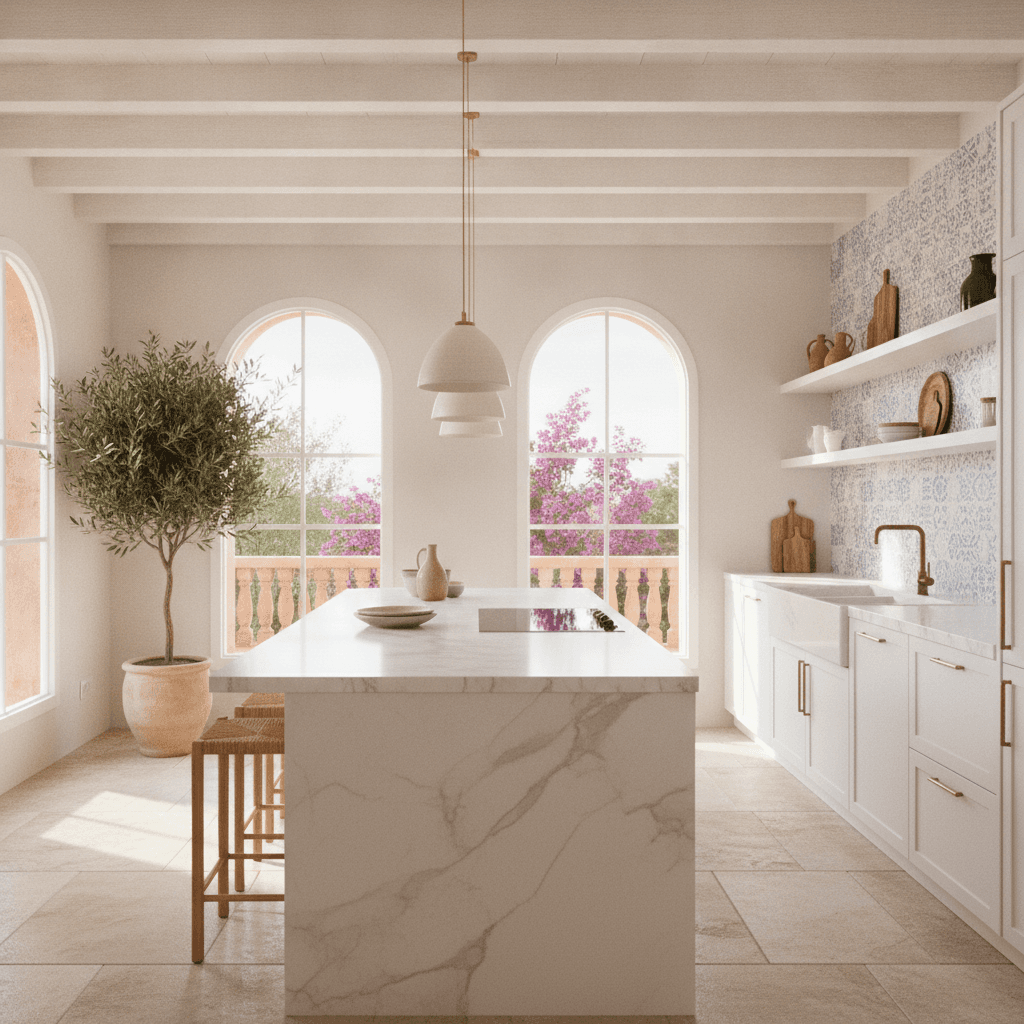
Planning a kitchen renovation in Estepona is an exciting step towards enhancing your Costa del Sol property. Understanding the potential costs involved is crucial for effective budgeting and ensuring your project runs smoothly. This guide provides a clear overview of what to expect when undertaking a kitchen transformation in this beautiful region.
Whether you are looking for a minor refresh or a complete overhaul, knowing the various factors that influence the final price will help you make informed decisions. From material choices to labour expenses and local regulations, we will break down the essential components of your kitchen renovation budget in Estepona.
How Much Does a Kitchen Renovation Cost in Estepona?
The cost of a kitchen renovation in Estepona varies significantly based on the scope of work, material quality, and the size of your kitchen. It is helpful to categorise projects into three main types: basic, mid-range, and high-end.
Basic Kitchen Renovation (from €8,000)
This option typically involves cosmetic updates without major structural changes. It includes replacing cabinet fronts, updating countertops, new taps, and fresh paint or tiling. Existing plumbing and electrical layouts remain largely untouched. This is ideal for refreshing an outdated kitchen on a tighter budget.
Mid-Range Kitchen Renovation (from €15,000)
A mid-range project often includes replacing all cabinetry, new countertops, modern appliances, and updated flooring. You might also see minor reconfigurations of the layout, such as moving a sink or adding an island. This level of renovation offers a significant upgrade in both aesthetics and functionality, using quality materials and finishes.
High-End/Luxury Kitchen Renovation (from €25,000+)
Luxury renovations involve a complete overhaul, often including structural changes, custom-designed cabinetry, premium materials, and top-of-the-range integrated appliances. This can also include smart home technology integration, bespoke lighting solutions, and a complete redesign of the kitchen's layout. These projects use the finest finishes and craftsmanship, delivering a truly unique space.
Key Factors Driving Your Kitchen Renovation Budget
Several elements contribute to the overall cost of your kitchen renovation. Understanding these factors will help you allocate your budget effectively.
Kitchen Size and Layout
Larger kitchens naturally require more materials and labour. Complex layouts with many corners or bespoke elements will also increase costs compared to a simple, linear design. Any changes to the existing layout, such as moving walls or creating an open-plan space, will add significantly to the budget due to structural work and increased labour.
Material Choices
Materials are a major cost driver. For instance, choosing premium materials like natural stone countertops or bespoke wooden cabinets will be more expensive than laminate options. Similarly, selecting high-quality porcelain tiles in Málaga for flooring or splashbacks will impact the final price. Dekorama offers a wide range of premium materials to suit various budgets and styles.
Appliances and Fixtures
The cost of new appliances can range from a few hundred euros for basic models to several thousand for integrated, high-performance units. Similarly, designer taps, sinks, and sophisticated lighting fixtures will add to the overall expense. Consider energy efficiency ratings, as these can offer long-term savings.
Labour and Professional Services
This includes the cost of designers, plumbers, electricians, tilers, and installers. Reputable companies like Dekorama provide experienced professionals who ensure quality workmanship and efficient project management. For custom kitchens, the design and installation expertise is crucial.
Permits and Regulations
In Spain, significant renovations often require a building permit (licencia de obra) from the local council. This typically involves submitting plans drawn up by a technical architect. The cost of permits and professional fees for architects should be factored into your budget. Failing to obtain the necessary permits can lead to fines and delays. You can find more information on Spanish building regulations through official government portals or legal resources such. For example, a general guide on building permits in Spain can be found at Marbella Solicitors.
Understanding the Renovation Process and Timeline
Knowing the typical stages of a kitchen renovation helps manage expectations regarding the timeline.
Design and Planning (1-3 weeks)
This initial phase involves consultations, design proposals, material selection, and finalising the layout. It is a crucial step to ensure all your requirements are met and potential issues are addressed before work begins.
Demolition and Preparation (3-5 days)
Once designs are approved, the old kitchen is removed. This includes cabinets, countertops, old flooring, and any necessary wall alterations. Proper waste disposal is also managed during this stage.
Installation of Utilities and Structure (1-2 weeks)
This phase involves any necessary plumbing and electrical work, wall repairs, and structural modifications. New wiring, pipework, and ventilation systems are put in place according to the new design.
Cabinetry, Flooring, and Tiling (2-3 weeks)
New cabinets are installed, followed by flooring and wall tiling. Precision is key here to ensure a flawless finish. Choosing the right porcelain tiles in Málaga can significantly enhance the kitchen's aesthetic.
Countertops, Appliances, and Finishing Touches (1 week)
Countertops are fitted, appliances are installed and connected, and final fixtures like taps and lighting are put in place. The last steps involve painting, cleaning, and any final adjustments.
Overall, a complete kitchen renovation can take anywhere from 3 to 8 weeks, depending on its complexity and the efficiency of the renovation team. Companies like Dekorama, with over 20 years of experience in full home renovations on the Costa del Sol, streamline this process.
Why Choose a Local Expert for Your Estepona Kitchen Renovation?
Engaging a local, experienced renovation company like Dekorama offers distinct advantages for your project in Estepona or other areas like renovations in Benalmádena, renovations in Marbella, or renovations in Fuengirola.
Local experts possess in-depth knowledge of Spanish building codes, permit requirements, and local suppliers. This ensures your project complies with all regulations and benefits from reliable material sourcing. An experienced team also provides seamless project management, coordinating all trades from start to finish, which is essential for complex projects like complete bathroom renovations or custom kitchens.
Dekorama's 20+ years of industry experience on the Costa del Sol means we understand the specific needs and preferences of homeowners in the region, including expats and international property owners. We pride ourselves on delivering high-quality craftsmanship and exceptional customer service, ensuring your kitchen renovation exceeds expectations.
Frequently asked questions
- Do I need a permit for a kitchen renovation in Estepona?
- Yes, for significant kitchen renovations involving structural changes, alterations to plumbing or electrical systems, or changes to the exterior, you will typically need a building permit (licencia de obra) from the Estepona local council. Minor cosmetic updates might not require one, but it is always best to consult with your contractor or a technical architect.
- How long does a kitchen renovation typically take?
- The duration of a kitchen renovation varies. A basic refresh might take 3-4 weeks, while a mid-range project usually spans 5-6 weeks. A comprehensive, high-end renovation with significant layout changes can take 7-8 weeks or even longer. This timeline depends on material availability and project complexity.
- Can I save money by doing some work myself?
- While some homeowners consider DIY tasks like painting or demolition, it is generally not recommended for complex kitchen renovations. Professional installers ensure structural integrity, proper utility connections, and adherence to building codes. Mistakes can be costly and delay the project. Focusing on professional execution ensures a higher quality, safer, and more durable result.
- What is the average lifespan of a renovated kitchen?
- A well-executed kitchen renovation using quality materials and professional installation can last 15 to 20 years or even longer. The lifespan depends on the quality of materials chosen, the craftsmanship, and how well the kitchen is maintained. Investing in durable materials and expert installation provides excellent long-term value. Ready to transform your kitchen in Estepona? Contact Dekorama today for a personalised consultation and a detailed estimate. Our team in Benalmádena is ready to help you design and build.