
Resin vs. Ceramic Shower Trays: Which is Best for Your Costa del Sol Bathroom?
Deciding between resin and ceramic shower trays for your Costa del Sol bathroom? Discover the pros and cons of each to make an informed choice.
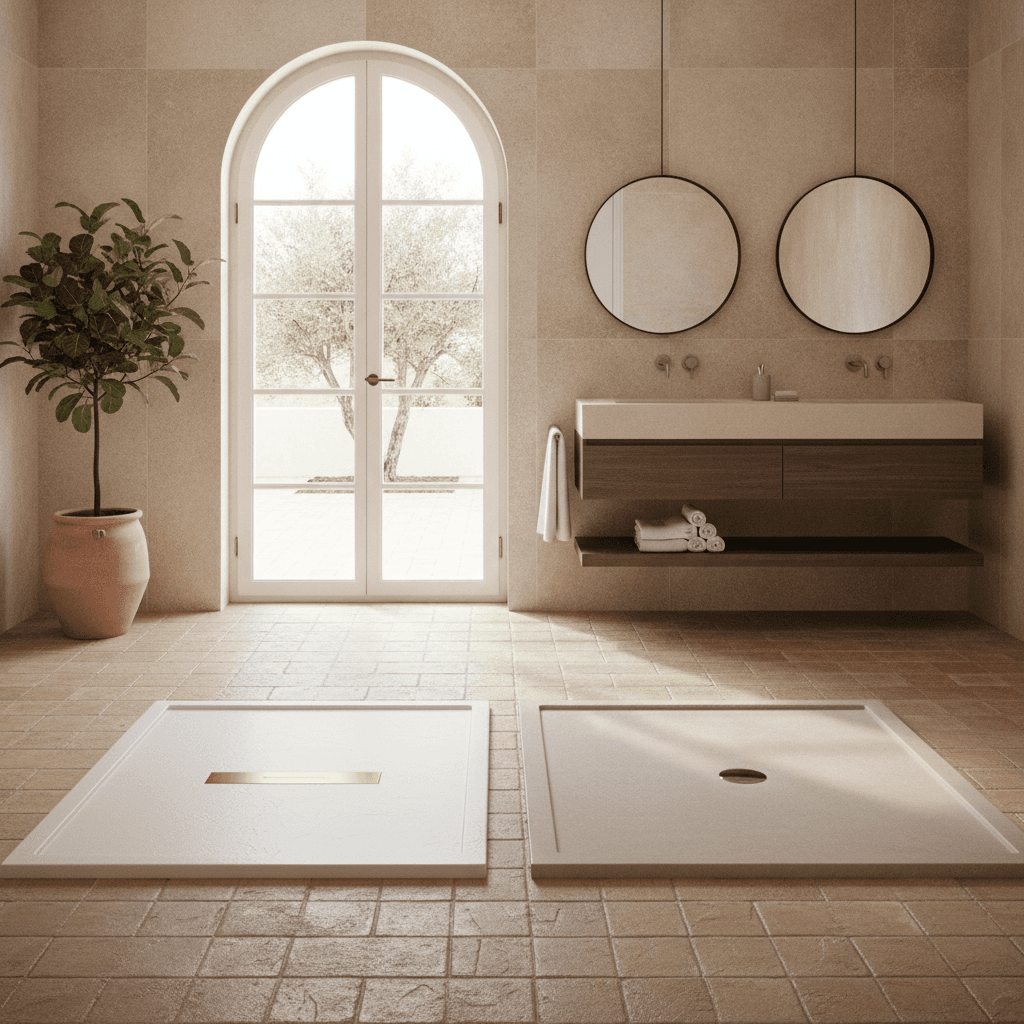
Choosing the right shower tray is a crucial decision for any bathroom renovation, impacting both the functionality and aesthetics of your space. On the Costa del Sol, where style and practicality go hand in hand, homeowners often weigh the benefits of modern resin trays against traditional ceramic options.
This guide will help you understand the key differences, advantages, and disadvantages of each, ensuring you make an informed choice that suits your lifestyle and your home in Benalmádena, Marbella, or anywhere across the region.
Resin Shower Trays: Modernity and Customisation
Resin shower trays have surged in popularity, especially in contemporary bathroom designs. Made from a mixture of resins, minerals, and gel coats, these trays offer a sleek, minimalist look that complements modern interiors. They are particularly favoured for their versatility and performance.
Advantages of Resin
- Design Flexibility: Resin trays come in a vast array of colours, textures (slate, stone, wood effect), and customisable sizes. This allows for a seamless integration with your bathroom decor, whether you are planning a complete bathroom renovation or a simple upgrade. Their slim profiles can create a walk-in shower aesthetic.
- Durability and Impact Resistance: Thanks to their composition, resin trays are highly resistant to impacts and scratches, making them less prone to chipping or cracking than ceramic. This resilience ensures a longer lifespan, even with daily use.
- Slip Resistance: Many resin trays feature integrated anti-slip textures, providing a safer showering experience. This is a significant benefit, especially for families or those seeking extra security.
- Easy Maintenance: The non-porous surface of most resin trays prevents mould and mildew growth, making them easy to clean. A simple wipe-down with mild soap is usually sufficient to keep them looking new.
- Warm Touch: Unlike ceramic, resin trays feel warmer to the touch, which can be a pleasant sensation, especially during cooler months on the Costa del Sol.
Disadvantages of Resin
- Higher Initial Cost: Resin trays are generally more expensive than their ceramic counterparts. While the long-term benefits often justify the investment, it is a factor to consider for budget-conscious renovations.
- Weight: While lighter than ceramic, larger resin trays can still be heavy, requiring careful handling during transport and installation.
- Potential for Discolouration: Over time, some lower-quality resin trays might show signs of discolouration, particularly if exposed to harsh cleaning chemicals or direct sunlight. Choosing a reputable brand and following cleaning guidelines is important.
Ceramic Shower Trays: The Timeless Classic
Ceramic shower trays have been a staple in bathrooms for decades, known for their traditional appeal and robust construction. Made from fired clay, they offer a classic, glossy finish that many homeowners still prefer for its clean and bright appearance.
Advantages of Ceramic
- Cost-Effective: Ceramic trays are typically more affordable upfront, making them an attractive option for those working with a tighter budget for their full home renovations on the Costa del Sol.
- Traditional Durability: Ceramic is a hard-wearing material that can withstand significant wear and tear. It is highly resistant to chemicals and abrasions, maintaining its pristine look for many years.
- Easy to Clean: The smooth, non-porous surface of ceramic makes it incredibly easy to wipe down and keep hygienic. It resists stains effectively.
- Heat Retention: Ceramic retains heat well, which can be a comfortable feature, keeping your feet warm during your shower.
Disadvantages of Ceramic
- Heavier and More Difficult to Install: Ceramic trays are considerably heavier than resin, which can complicate transport and installation. Professional installation is essential to ensure proper support and levelling.
- Limited Design Options: Ceramic trays are primarily available in standard white gloss finishes and common sizes. This limits design flexibility compared to the vast customisation offered by resin.
- Can Be Slippery: Without an integrated anti-slip coating, ceramic surfaces can become very slippery when wet, posing a potential safety risk. Adding an anti-slip mat or treatment may be necessary.
- Prone to Chipping/Cracking: While durable, ceramic can chip or crack if a heavy object is dropped onto it. Repairing such damage can be challenging, often requiring replacement.
How Do They Compare on Key Factors?
Understanding the direct comparison on critical aspects will help you decide which material aligns best with your renovation goals.
Durability and Longevity
Both materials are durable, but in different ways. Resin offers superior impact resistance, making it less likely to chip or crack from accidental drops. Ceramic is highly resistant to scratches and chemical wear, but a sharp, heavy impact can cause significant damage.
Aesthetics and Design
Resin trays excel in design versatility, offering a modern, sleek look with various colours, textures, and slim profiles. Ceramic provides a classic, timeless aesthetic, typically in white gloss, which suits traditional or minimalist bathrooms that favour simplicity.
Safety (Slip Resistance)
Resin often comes with integrated anti-slip properties, making it a safer choice by default. Ceramic trays usually require additional anti-slip treatments or mats to enhance safety, especially when wet.
Installation and Weight
Ceramic trays are significantly heavier, demanding more effort and potentially more complex structural support during installation. Resin trays, while still solid, are generally lighter and easier to manoeuvre, though professional fitting is always recommended for both.
Maintenance and Cleaning
Both are relatively easy to clean. Resin's non-porous surface resists mould and mildew. Ceramic's smooth, glossy finish is also simple to wipe down. The key difference lies in avoiding harsh chemicals on resin to prevent discolouration, while ceramic is more forgiving.
Cost (Initial vs. Long-term)
Ceramic trays have a lower initial purchase price. Resin trays are a higher upfront investment but may offer better long-term value due to their superior impact resistance and customisation options, potentially reducing future repair or replacement costs.
Making the Right Choice for Your Costa del Sol Home
When selecting between resin and ceramic for your shower tray, consider your priorities and the overall vision for your bathroom. If you are aiming for a contemporary, spa-like feel with customisable features and enhanced safety, a resin tray is likely your best bet. It integrates beautifully with modern premium materials like large format porcelain tiles in Málaga.
If your renovation leans towards a classic, elegant, and budget-friendly approach, a ceramic tray offers proven durability and a timeless look. Think about the style of your existing bathroom or the aesthetic you want to achieve for your complete bathroom renovations in Fuengirola or Estepona.
Consider the users of the bathroom. For families with children or elderly residents, the inherent slip resistance of many resin trays could be a deciding factor. Ultimately, the best choice balances aesthetics, functionality, safety, and your budget.
Permits and Professional Installation on the Costa del Sol
Undertaking any significant renovation work in Spain, including major bathroom overhauls, may require local council permits, depending on the scope. While replacing a shower tray might seem minor, if it involves altering plumbing or structural elements, it is always wise to consult with professionals. This ensures compliance with local regulations and avoids potential issues down the line.
Regardless of whether you choose resin or ceramic, professional installation is paramount. A poorly installed shower tray can lead to leaks, structural damage, and costly repairs. Expert fitters ensure proper levelling, sealing, and drainage, guaranteeing the longevity and performance of your new shower area. This is especially true for properties in areas like renovations in Marbella or Torremolinos, where quality craftsmanship is expected.
How much does plato de ducha resina vs ceramica cual elegir cost?
The final price depends on the size, the material specification and whether the project involves changes to plumbing or electrics. On the Costa del Sol, the most useful starting point is a quote based on actual site measurements.
Dekorama provides a technical visit and itemised quote so you can compare options properly.
Related services and materials
Frequently asked questions
- Are resin shower trays more expensive than ceramic?
- Yes, resin shower trays generally have a higher initial purchase price compared to ceramic trays. This difference is due to the materials used, the manufacturing process, and the greater customisation options available with resin. However, their durability and design flexibility can offer long-term value.
- How do I clean a resin shower tray?
- Cleaning a resin shower tray is straightforward. Use mild, non-abrasive cleaning products and a soft cloth or sponge. Avoid harsh chemicals, bleach, or abrasive scourers, as these can damage the gel coat surface and potentially lead to discolouration over time. Regular cleaning prevents limescale build-up.
- Can I replace a ceramic tray with a resin one?
- Yes, it is usually possible to replace a ceramic shower tray with a resin one. This often involves removing the old tray, preparing the base, and installing the new resin tray. Professional assessment is recommended to ensure compatibility with existing plumbing and to make any necessary adjustments for a perfect fit and seal.
- Which type is better for a family bathroom?
- For a family bathroom, resin trays often have an advantage due to their integrated anti-slip properties, enhancing safety for children and adults. Their impact resistance also makes them more forgiving against accidental drops. However, a ceramic tray with an added anti-slip treatment can also be a durable and practical choice.
- Do resin trays discolour over time?
- High-quality resin trays from reputable manufacturers are designed to resist discolouration. However, prolonged exposure to harsh cleaning chemicals, strong dyes, or direct, intense sunlight can potentially cause some discolouration over many years. Choosing quality materials and following care instructions minimises this risk. Making the right choice for your shower tray is an investment in your home's comfort and value. Whether you lean towards the modern appeal of resin or the classic reliability of ceramic, Dekorama is here to help.