
Full Villa Renovation Costa del Sol: Costs, Timeline & Expert Guide
Planning a full villa renovation on the Costa del Sol? Discover costs, timelines, permits, and how to choose the right renovation company in Malaga.
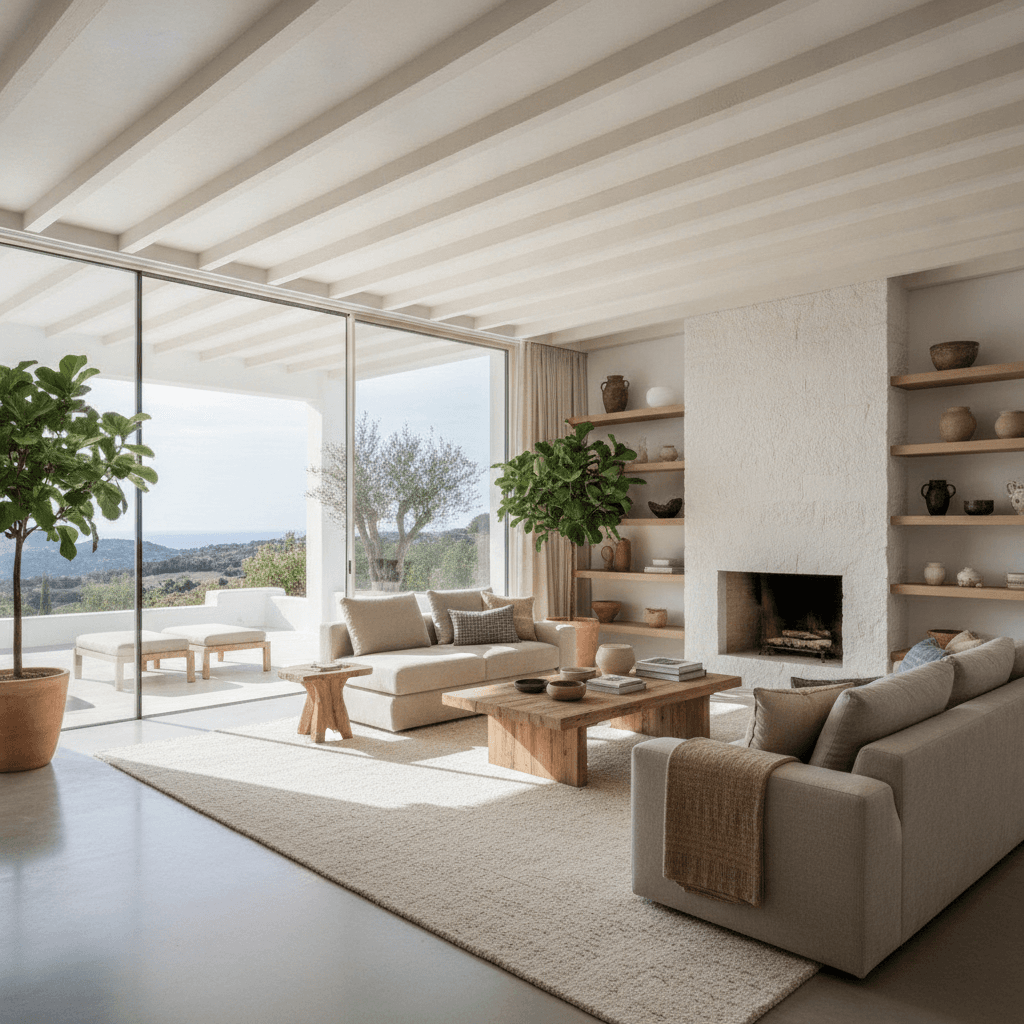
Embarking on a full villa renovation on the Costa del Sol is a significant undertaking, offering the chance to transform your property into a dream home or a lucrative investment. Whether you are an expat looking to modernise an older villa or a property owner aiming for a complete overhaul, understanding the process, costs, and timelines is crucial for a successful project.
This guide provides a comprehensive overview of what to expect when planning a full villa renovation in areas like Benalmádena, Marbella, Fuengirola, Estepona, and Torremolinos. We will cover everything from budgeting and permits to choosing the right renovation partner, ensuring your project runs smoothly from conception to completion.
How Much Does a Full Villa Renovation Cost on the Costa del Sol?
The cost of a full villa renovation in Malaga and across the Costa del Sol varies widely based on several factors. A basic renovation, focusing on cosmetic updates and minor layout changes, might start around €800 per square metre. A mid-range renovation, involving new custom kitchens, complete bathroom renovations, updated electrical and plumbing, and quality finishes, typically falls within €1,200 to €1,500 per square metre. For a luxury renovation, incorporating high-end premium materials, advanced smart home technology, structural modifications, and bespoke design, costs can easily exceed €1,800 per square metre.
It is important to remember that these figures are estimates. The final price depends heavily on the specific condition of your villa, the complexity of the design, and your material selections. Always request a detailed, itemised quote from your chosen renovation company to ensure full transparency and avoid unexpected expenses.
What Factors Influence the Cost of Your Villa Renovation?
Understanding the elements that drive renovation costs helps in effective budgeting. Here are the primary factors:
Scope of Work
Major structural changes, extensions, or significant layout reconfigurations will naturally increase costs. Moving load-bearing walls, adding new floors, or altering the roofline requires extensive engineering work and more complex permits.
Material Quality
The choice of materials has a substantial impact. Opting for high-quality porcelain tiles in Málaga, bespoke cabinetry, designer fixtures, and advanced insulation will elevate the final cost but also enhance durability, aesthetics, and property value. Dekorama offers a wide range of premium materials to suit various budgets and styles.
Kitchens and Bathrooms
These areas are typically the most expensive per square metre due to the concentration of plumbing, electrical work, tiling, and specialised fixtures. Investing in modern, efficient, and stylish custom kitchens and complete bathroom renovations significantly impacts both cost and property appeal.
Installations and Systems
Upgrading electrical systems, plumbing, heating, ventilation, air conditioning (HVAC), and potentially adding solar panels or home automation systems contributes significantly to the budget. Older villas often require complete rewiring and replumbing to meet current Spanish regulations and modern living standards.
Site Accessibility and Condition
If your villa is difficult to access, or if it requires extensive demolition and waste removal, labour and logistics costs can increase. The existing condition of the property, including any hidden structural issues, damp, or pest problems, can also lead to unforeseen expenses.
How Long Does a Full Villa Renovation Take in Malaga?
The timeline for a full villa renovation on the Costa del Sol is as variable as the cost, typically ranging from 6 to 18 months. This duration includes everything from initial design to final inspections. Here is a general breakdown of the stages:
Planning and Design (1-3 months)
This phase involves initial consultations, architectural drawings, interior design concepts, and material selection. This is a crucial stage for defining your vision and ensuring all details are captured.
Permit Acquisition (2-6 months)
Obtaining the necessary Licencia de Obra Mayor (Major Works Permit) from the local Ayuntamiento (city council) can be a lengthy process. The timeline depends on the complexity of your project and the specific municipality (e.g., Benalmádena, Marbella, Fuengirola).
Demolition and Structural Work (1-3 months)
Once permits are secured, demolition begins, followed by any necessary structural modifications, extensions, or major layout changes.
New Installations (1-2 months)
This stage involves installing new electrical wiring, plumbing, HVAC systems, and any other essential infrastructure.
Finishes (2-4 months)
This is where the villa starts to take shape. It includes plastering, flooring installation (such as porcelain tiles in Málaga), painting, and fitting of custom kitchens and complete bathroom renovations.
Final Touches and Inspections (1 month)
Installation of lighting, fixtures, final painting, landscaping, and thorough cleaning. The project concludes with final inspections and handover.
Delays can occur due to unforeseen structural issues, material delivery times, or permit processing. Working with an experienced company like Dekorama, which has over 20 years of industry experience, helps mitigate these risks through proactive planning and communication.
Navigating Permits and Regulations for Renovations in Spain
Undertaking a full villa renovation in Spain requires adherence to local urban planning laws and building regulations. The most critical permit is the Licencia de Obra Mayor, or Major Works Permit. This is mandatory for any renovation involving structural changes, alterations to the facade, changes in use, or significant extensions.
The process typically involves an architect preparing a detailed project plan, which is then submitted to your local Ayuntamiento (e.g., Benalmádena, Marbella, Fuengirola). The council reviews the plans to ensure compliance with local zoning laws, building codes, and safety standards. This can be a complex and time-consuming process, often requiring multiple revisions.
Working with a local renovation company that understands Spanish bureaucracy is invaluable. Dekorama manages the entire permit application process on your behalf, ensuring all documentation is correct and submitted efficiently. This expertise is particularly beneficial for expats who may be unfamiliar with Spanish administrative procedures. For more detailed information, consult the official Spanish building regulations, known as the Código Técnico de la Edificación (CTE).
Choosing the Right Renovation Company on the Costa del Sol
Selecting the right partner for your villa renovation is paramount to its success. Here are key considerations when choosing a company on the Costa del Sol:
- Experience and Reputation: Look for companies with a proven track record in full home renovations on the Costa del Sol. Dekorama brings over 20 years of experience to every project, ensuring expert knowledge and reliable execution.
- Full-Service Offering: A company that handles everything from design and material sourcing to construction and permit management simplifies the process. This integrated approach ensures consistency and reduces stress.
- Local Knowledge: An understanding of local regulations, suppliers, and skilled tradespeople in areas like renovations in Benalmádena, renovations in Marbella, and renovations in Fuengirola is vital.
- Transparency and Communication: Ensure the company provides clear, detailed quotes and maintains open communication throughout the project. This is especially important for international clients.
- Portfolio and References: Review past projects and speak to previous clients to gauge the quality of their work and client satisfaction.
Key Stages of a Villa Renovation Project
While every renovation is unique, a typical full villa renovation follows a structured series of stages:
- Initial Consultation and Design: Discussing your vision, needs, and budget with architects and designers to create preliminary plans.
- Detailed Planning and Budgeting: Refining designs, selecting premium materials, and finalising a comprehensive budget and timeline.
- Permit Acquisition: Submitting all necessary documentation to the local Ayuntamiento for approval.
- Demolition and Structural Work: Removing old structures, making necessary structural changes, and preparing the site.
- New Installations: Installing updated electrical, plumbing, and HVAC systems.
- Plastering and Flooring: Preparing surfaces and laying new floors, including porcelain tiles in Málaga.
- Kitchen and Bathroom Fitting: Installing custom kitchens and complete bathroom renovations, including fixtures and fittings.
- Painting and Finishing: Applying paint, installing doors, skirting boards, and other decorative elements.
- Final Inspection and Handover: A thorough review of all work, addressing any snags, and officially handing over your newly renovated villa.
Maximising Your Investment: Design and Material Choices
A full villa renovation is a significant investment, and strategic choices can maximise its value and appeal. Focus on timeless design elements that blend modern aesthetics with the charm of the Costa del Sol. Prioritise energy efficiency upgrades, such as improved insulation, double-glazed windows, and efficient HVAC systems, which reduce running costs and increase comfort.
Selecting durable, high-quality premium materials is crucial for longevity, especially in the coastal climate. Consider incorporating outdoor living spaces, such as expansive terraces, modern pergolas, or a redesigned pool area, which are highly valued in this region. Thoughtful design and material selection not only enhance your living experience but also significantly boost the resale value of your property.
Frequently asked questions
- Do I need an architect for a full villa renovation in Spain?
- Yes, for a full villa renovation involving structural changes, extensions, or significant layout modifications, an architect's involvement is legally required in Spain. They design the project, ensure compliance with building codes, and oversee the permit application process with the local council.
- Can Dekorama help with the design and material selection?
- Absolutely. Dekorama offers a full-service approach, including expert design consultations and guidance on material selection. Our team helps you choose the perfect premium materials, fixtures, and finishes to match your vision and budget, ensuring a cohesive and stunning result.
- What areas on the Costa del Sol do you serve for villa renovations?
- Dekorama provides full home renovations on the Costa del Sol across the entire region. Our services extend to Benalmádena, Marbella, Fuengirola, Estepona, Torremolinos, and other surrounding areas, offering local expertise wherever your villa is located.
- How do I get a detailed quote for my villa renovation project?
- To receive a detailed and transparent quote, we recommend contacting Dekorama directly. Our team will arrange an initial consultation to discuss your project requirements, assess your villa, and provide a comprehensive, itemised proposal tailored to your specific needs and budget.
- What is the difference between *obra menor* and *obra mayor* permits?
- Obra menor (minor works) permits are for small, non-structural renovations like painting or replacing tiles. Obra mayor (major works) permits are required for significant projects involving structural changes, extensions, or alterations to the building's facade, which typically need an architect's plan. Ready to transform your villa on the Costa del Sol? With over 20 years of experience, Dekorama is your trusted partner for full home renovations on the Costa del Sol. Visit our showroom in Benalmádena or contact.