
Hardwood vs Wood-Look Tile: Key Differences You Should Know
Natural hardwood flooring or wood-look porcelain tile? We explain the pros, cons, and when to choose each option.

Choosing between hardwood flooring (solid or engineered wood) and wood-look porcelain tile is one of the most common dilemmas in renovations. Both offer a warm, timeless aesthetic, but their characteristics are very different. Here's a summary of the differences to help you make an informed decision.
What is Hardwood Flooring?
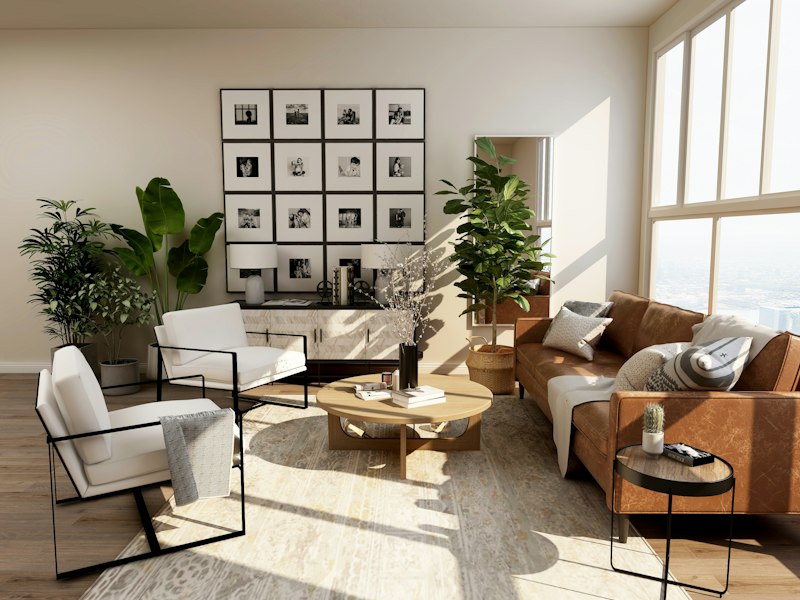
Hardwood flooring is a wood floor: it can be solid wood (a single piece of noble wood) or engineered (multiple layers of wood, with a noble wood layer on the visible surface). It's installed glued or over joists and usually has a finish (oil, varnish, or lacquer) that protects and defines the tone.
What is Wood-Look Porcelain Tile?
Wood-look porcelain tile (or wood look) is a ceramic tile that reproduces the pattern, color, and often the texture of wood. It's made from high-resistance porcelain and can be rectified (straight edges for minimal joints) for a result very similar to hardwood flooring.
Main Differences
| Aspect | Hardwood Flooring | Wood-Look Porcelain | | Material | Natural or engineered wood | Ceramic (porcelain) | | Water Resistance | Limited; not recommended in bathrooms or very humid areas | Very high; ideal in bathrooms, kitchens, and terraces | | Maintenance | Requires periodic treatments (oil/varnish) | Very low; just mop | | Touch Sensation | Warm, natural | Cooler, similar to other ceramic floors | | Durability | Can scratch or dent; can be sanded and refinished | Very resistant to impacts and scratches | | Price | Usually more expensive, especially noble wood | Varies widely; usually competitive |
Where to Install Each?
-
Hardwood Flooring: living rooms, bedrooms, and dry areas where you prioritize warmth and natural sensation. In areas with humidity or strong thermal changes (e.g., some terraces), carefully evaluate the product type and installation.
-
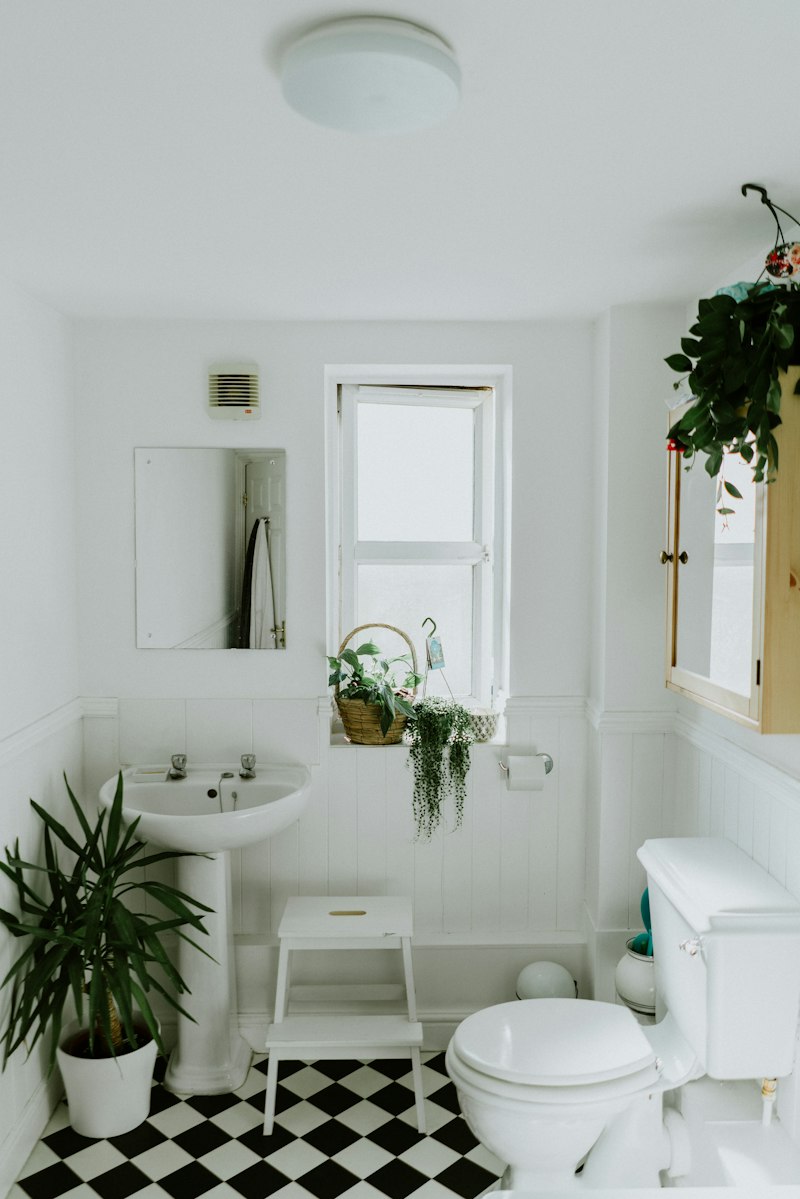
Wood-Look Porcelain: kitchens, bathrooms, high-traffic hallways, covered terraces, or even outdoors. It's the safe choice when you want wood aesthetics but with maximum water and wear resistance.
Aesthetics and Sensation
Hardwood flooring provides warmth to the touch and a natural variation of tones and grain that porcelain tries to imitate with increasing realism. Nowadays, wood-look porcelain tiles offer a wide variety of tones, long formats, and textures that closely approach the look of wood, although when stepping on it, you notice it's ceramic.
Summary
- Hardwood Flooring: better in dry areas, warmer and more natural sensation; requires more maintenance and is not suitable for humid areas without a specific product and installation.
- Wood-Look Porcelain: better in kitchens, bathrooms, and high-traffic or humid areas; low maintenance and great durability, with aesthetics very similar to wood.
If you're deciding between hardwood and wood-look porcelain for your renovation, at Dekorama we help you choose based on the room, usage, and your budget. Request your complimentary visit and we'll advise you personally.